Exploring Cirencester Amphitheatre: A Glimpse into Roman Britain
Watermoor Point ·
Cirencester, often referred to as the “Capital of the Cotswolds,” is a quaint town that boasts a rich tapestry of British history. Among its most fascinating historical sites is the Cirencester Amphitheatre, one of the largest Roman amphitheatres in Britain. This ancient structure offers a unique window into the past, allowing us to imagine the grandeur of Roman entertainment and social life. Let’s delve into the history, architecture, and significance of this remarkable site.
The Historical Backdrop
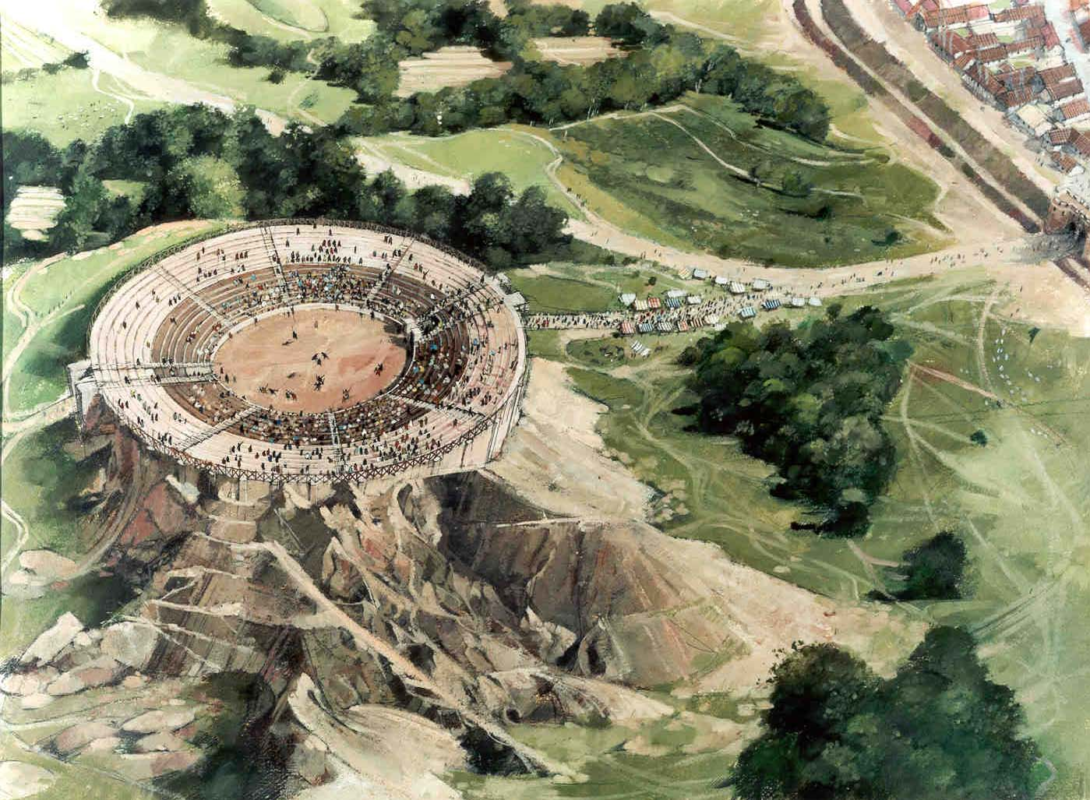
Cirencester Amphitheatre, also known as the Corinium Amphitheatre, dates back to the early 2nd century AD, a time when Cirencester (Corinium Dobunnorum) was the second largest town in Roman Britain, only after Londinium (modern-day London). The amphitheatre could hold up to 8,000 spectators, a testament to the town’s significance and bustling population during the Roman occupation.
Architectural Marvel
Unlike the colossal stone amphitheatres found in other parts of the Roman Empire, the Cirencester Amphitheatre was primarily built from earthworks. Its design features a large oval arena surrounded by steep banks, which were originally topped with wooden seating structures to accommodate the thousands of spectators who would gather to watch gladiatorial combat, wild animal hunts, and other public spectacles.
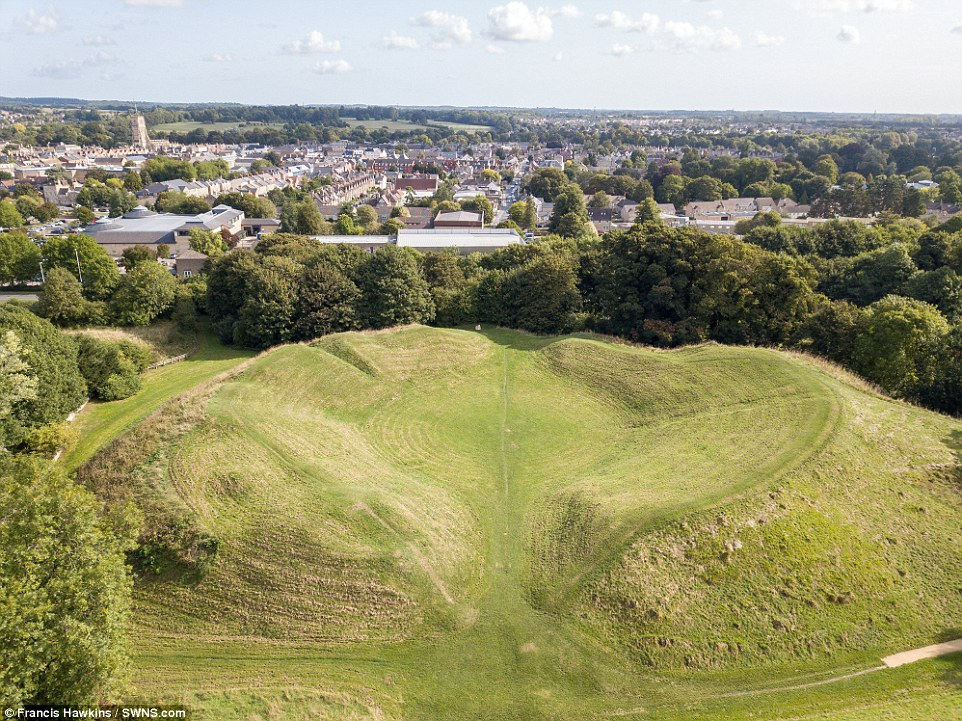
Despite the passage of time and the absence of its original wooden structures, the amphitheatres’ earthworks remain impressively well-preserved. Today, visitors can still walk through the same entrances that Roman spectators once used, and stand in the arena where gladiators fought for their lives.
A Site of Social Significance
The amphitheatre was not merely a venue for entertainment; it was a vital part of Roman social life and political propaganda. Events held in the amphitheatre were opportunities for the local elite and military leaders to display their wealth and generosity by sponsoring games. These spectacles also served to reinforce Roman culture and values among the conquered populations, promoting loyalty to the empire and the emperor.
The Decline and Rediscovery
Like many Roman structures in Britain, the Cirencester Amphitheatre fell into disuse and was eventually abandoned as the Roman Empire’s grip on Britain weakened. Over the centuries, its materials were repurposed, and it became overgrown, fading into the landscape.
The amphitheatre was rediscovered in the 19th century, and since then, archaeological excavations have provided valuable insights into its construction, the events it hosted, and its role in Roman society. Today, it is a protected ancient monument, managed by English Heritage, and is open to the public.
Visiting the Amphitheatre Today
Visitors to the Cirencester Amphitheatre can explore the site freely, walking in the footsteps of ancient Romans. Information panels around the amphitheatre offer insights into its history and the spectacles that once enthralled thousands of spectators. The site is a peaceful haven, offering a place for reflection on the past and the enduring legacy of the Roman Empire in Britain.
Conclusion
The Cirencester Amphitheatre is a testament to the architectural ingenuity and social complexity of Roman Britain. It remains one of the country’s most significant Roman sites, offering a tangible connection to a past that shaped the course of British history. Whether you are a history enthusiast, an archaeology aficionado, or simply in search of a tranquil spot to ponder the past, the Cirencester Amphitheatre is a must-visit destination that captivates and educates in equal measure.